
Five requirement blocks to freeze before an OEM quotation
Each block needs a controlled input, an accountable owner and evidence that can be reviewed at prototype and release.
- Application
- Intended use, workpiece, payload, reach, cycle, environment and market.
- Platform baseline
- Robot, controller, software, options, BOM and approved alternatives.
- Interfaces
- Mechanical, electrical, communication, safety and tooling boundaries.
- Market identity
- Brand, nameplate, documentation, conformity roles and traceability.
- Release and lifecycle
- Prototype, tests, changes, spares, support and service evidence.
Do not release an OEM robot program from a brochure, color sample or family-level specification. The released product is the exact application baseline, configuration, interfaces, market identity, evidence package and lifecycle responsibility accepted by the named parties.
Define the finished machine and intended use before the OEM package
An OEM robot program begins with the product that a buyer will actually place into service. Record the intended task, payload including tooling and services, reach and access, mounting attitude, duty pattern, target cycle, part variability, ambient conditions, utilities, operators, maintenance access and destination markets. These inputs determine whether one robot platform and controller baseline can serve the program or whether controlled variants are required.
ISO 10218-2:2025 treats robot applications as an integration problem that includes design, integration, commissioning, operation, maintenance and decommissioning. That lifecycle view is useful commercially: an arm and controller can be partly completed equipment, while the finished application still needs system-level interfaces, protective measures and information for use. The requirement set should therefore describe the finished application, not only the purchased robot.
- Separate fixed requirements from targets and preferences.
- Identify the destination market and responsible economic operator early.
- Keep an open-issues list for inputs that cannot yet be frozen.
Further reading: ISO — ISO 10218-2:2025 robot application and cell integration ↗ · Universal Robots — OEM robot declaration of incorporation ↗
Four boundaries hidden inside an OEM robot program
What the finished machine must do and where it will operate.
Exact hardware, software, interfaces and approved variants.
Brand, nameplate, traceability and responsible party.
Release evidence, changes, spares and service handoff.
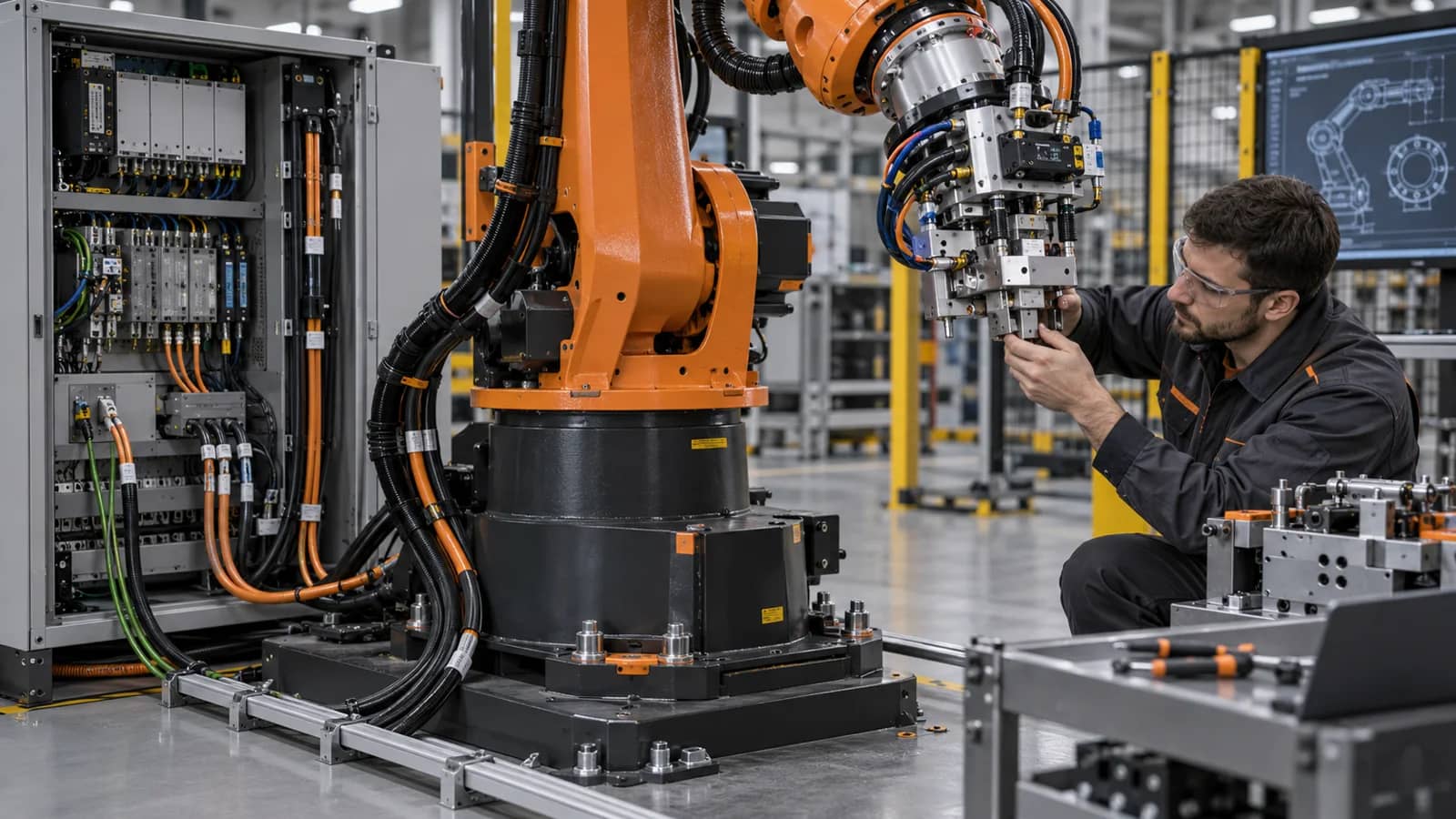
Freeze the platform, interfaces and software as one configuration
A reviewable OEM baseline identifies robot model, controller hardware, software or firmware release, licensed options, pendant and engineering-tool version, mounting pattern, tool flange, payload assumptions, connector set, power, I/O, fieldbus, safety interface and approved peripherals. Mechanical drawings, connector pinouts, I/O maps and software option lists should carry compatible revision identifiers. A family name or an Ethernet port is not evidence of compatibility.
Assign each interface to the party that supplies it, the party that configures it and the party that verifies it. The robot supplier may provide interface data; the application integrator may select safeguards and implement logic; the private-label owner may control documentation and market release. Universal Robots' integration guidance is one manufacturer example that places risk assessment, machine interfaces, protective measures, validation, instructions and record retention with the integrator. The selected supplier's current documentation remains authoritative for the selected configuration.
Further reading: Universal Robots — integration and responsibility ↗
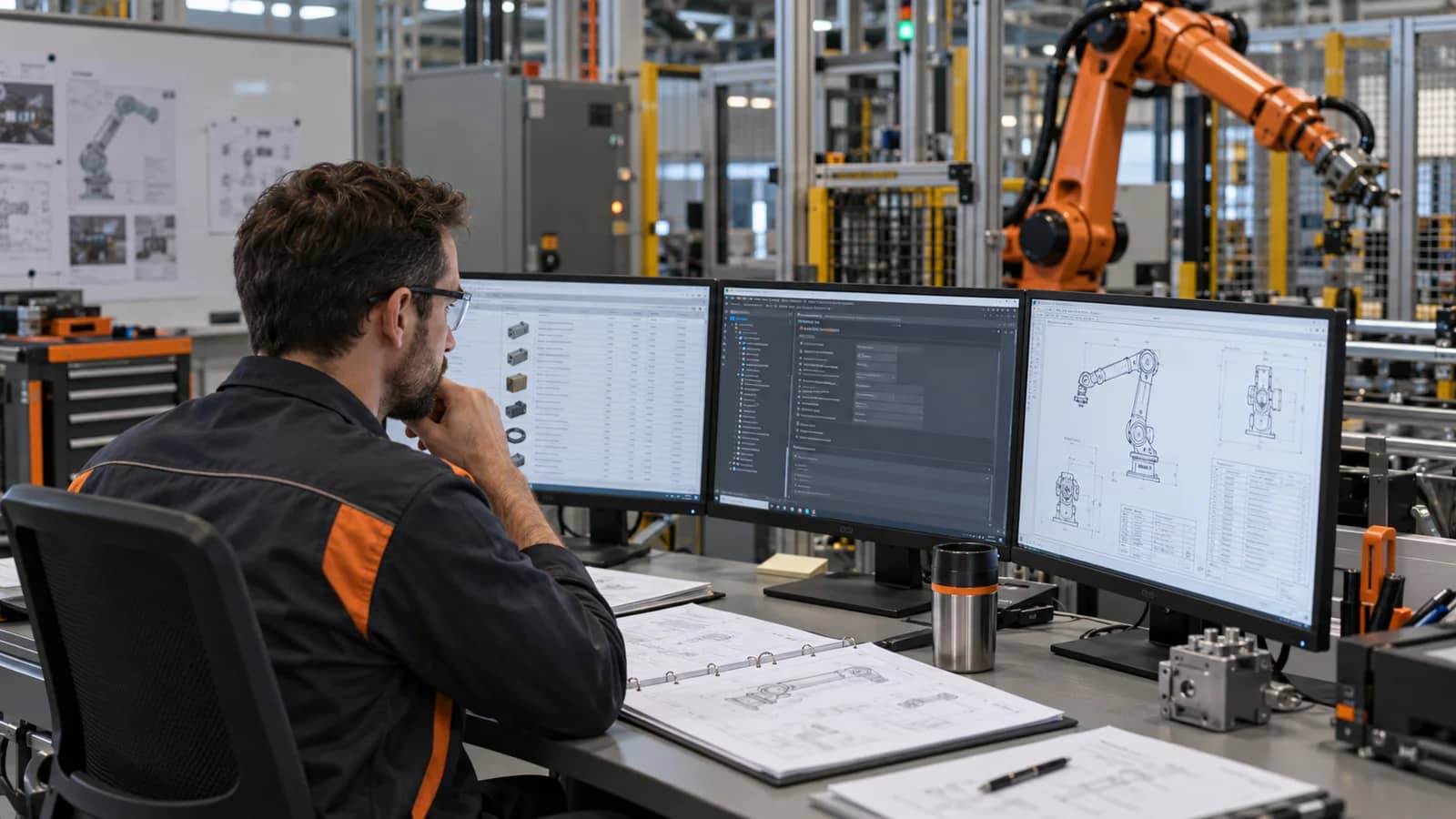
Keep branding, nameplate and conformity responsibilities separate
Color, enclosure graphics, labels, packaging and user-facing documents are branding deliverables. Product identity, serial traceability, technical documentation, instructions, declarations and conformity assessment belong to the market-release boundary. Combining these lines into one phrase such as ‘full private label’ hides who owns the finished product record and who is permitted to approve each document.
The European Commission's Blue Guide explains that a party placing a product on the market under its own name or trademark is treated as the manufacturer and retains responsibility even when work is subcontracted. The exact legal route depends on the product and destination, so the program must name the responsible party, applicable rules, required evidence and approval route. A supplier can support documents and tests without silently assuming the private-label owner's obligations.
Further reading: European Commission — Blue Guide on EU product rules ↗
From buyer input to a controlled OEM release
Application, market and acceptance
Supply, integration and approval owners
BOM, interfaces, software and identity
Build, test and close deviations
Approve evidence, changes and support
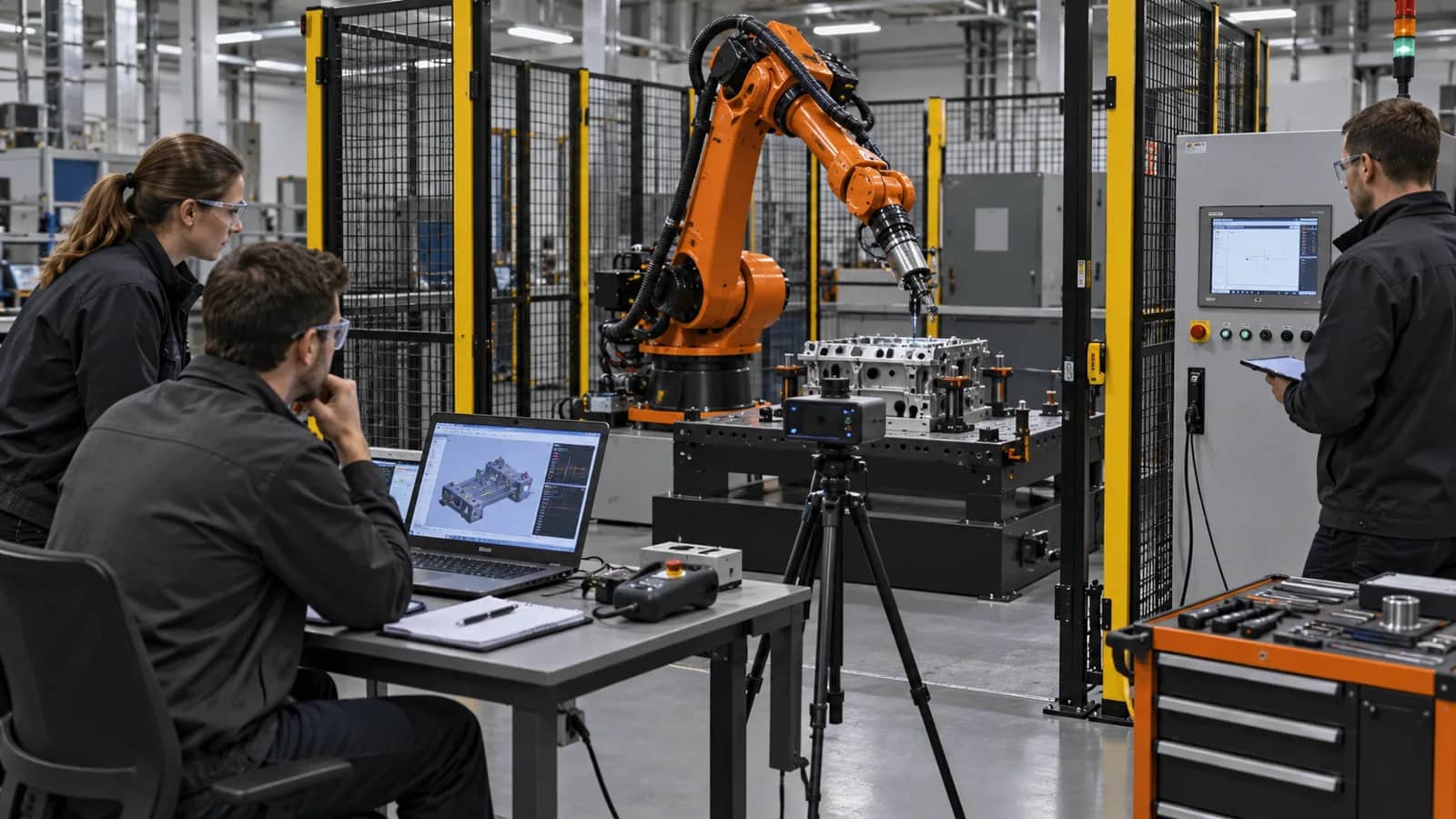
Release the prototype, change process and support package together
The prototype record should identify the exact BOM, drawings, software, options, label artwork, documentation revision and test conditions. Acceptance should cover specified functions, interfaces, protective measures, abnormal conditions that can safely be tested, backup and recovery, and agreed documentation. Record each deviation with an owner, due date, disposition and evidence; a successful demonstration does not close an undocumented variance.
Production release also needs a change rule: what can be substituted, who approves software or component changes, when revalidation is required and how field units are traced. Define spare-parts ownership, recommended stock basis, support contact, diagnostic access, warranty boundary and end-of-life notice process as project requirements rather than implied promises. TubeFrame can coordinate a project-specific platform and responsibility package, but availability, certification, warranty, lead time and service geography remain subject to written confirmation.
OEM industrial robot program responsibility matrix
Copy these lines into the RFQ. Replace each generic role with a named organization and attach the listed release evidence.
Copy the rows into your RFQ or investment worksheet.
| Requirement | Buyer / brand owner | Robot partner / integrator | Release evidence |
|---|---|---|---|
| Application inputs | Approve intended use, output and market | Check feasibility and open assumptions | Signed input and assumption register |
| Platform and version | Approve commercial variant strategy | Identify exact robot, controller and release | Configuration baseline |
| Mechanical interfaces | Provide machine envelope and mounting constraints | Provide drawings, loads and interface limits | Approved interface drawing |
| Electrical and communication | Define plant power, network and data boundary | Define connectors, signals, protocol and owner | Electrical drawing and I/O map |
| Software and access | Approve roles, remote access and update policy | Supply versions, options, backup and restore method | Software manifest and recovery record |
| Documents | Define languages and customer deliverables | Supply agreed manuals, drawings and files | Controlled document index |
| Brand and nameplate | Approve brand use and product identity | Apply only released artwork and data | Artwork, label and serial record |
| Conformity responsibility | Name responsible party and target rules | Provide agreed technical inputs and tests | Responsibility map and evidence index |
| Prototype | Approve sample purpose and deviations | Build to identified BOM and revisions | Prototype build record |
| Verification and acceptance | Approve criteria and witness plan | Run agreed tests and record results | Signed protocol and issue closure |
| Change control | Approve change classes and market impact | Notify substitutions and assess revalidation | Approved change notice |
| Spares and service | Define geography, access and response need | Confirm parts route and service boundary | Support and escalation plan |
Frequently asked questions
What should an OEM industrial robot requirements document include?
It should identify the finished application, platform and software baseline, every mechanical and electrical interface, documentation, brand and product identity, conformity roles, prototype and test plan, change control, spares and service responsibilities.
Does private labeling transfer conformity responsibility to the robot supplier?
Not automatically. The party placing the finished product on a market under its name may hold manufacturer obligations. Assign the responsible party and applicable route for the actual product and destination in writing.
Can one robot family specification cover every OEM variant?
Only if the controlled baseline and permitted variants are explicit. Robot, controller, software, options, interfaces, payload assumptions and market documentation can change the applicable evidence and must be revision controlled.
What should be approved before an OEM prototype is released?
Approve the identified BOM, drawings, software, options, labels, documentation, test conditions, deviations and responsible owners. Release production only after required issues are closed with evidence.
Original sources and responsibility boundary
Turn an OEM concept into a reviewable requirement package
Share the intended application, destination markets, preferred robot platform, interface list, brand scope and acceptance target. We can organize open requirements and supplier boundaries before a project-specific proposal.
Discuss an OEM robot program ↗