Machine Tending
Select the robot and EOAT from machine interface, door/fixture sequence, payload, reach, cycle and part presentation.
Review application ↗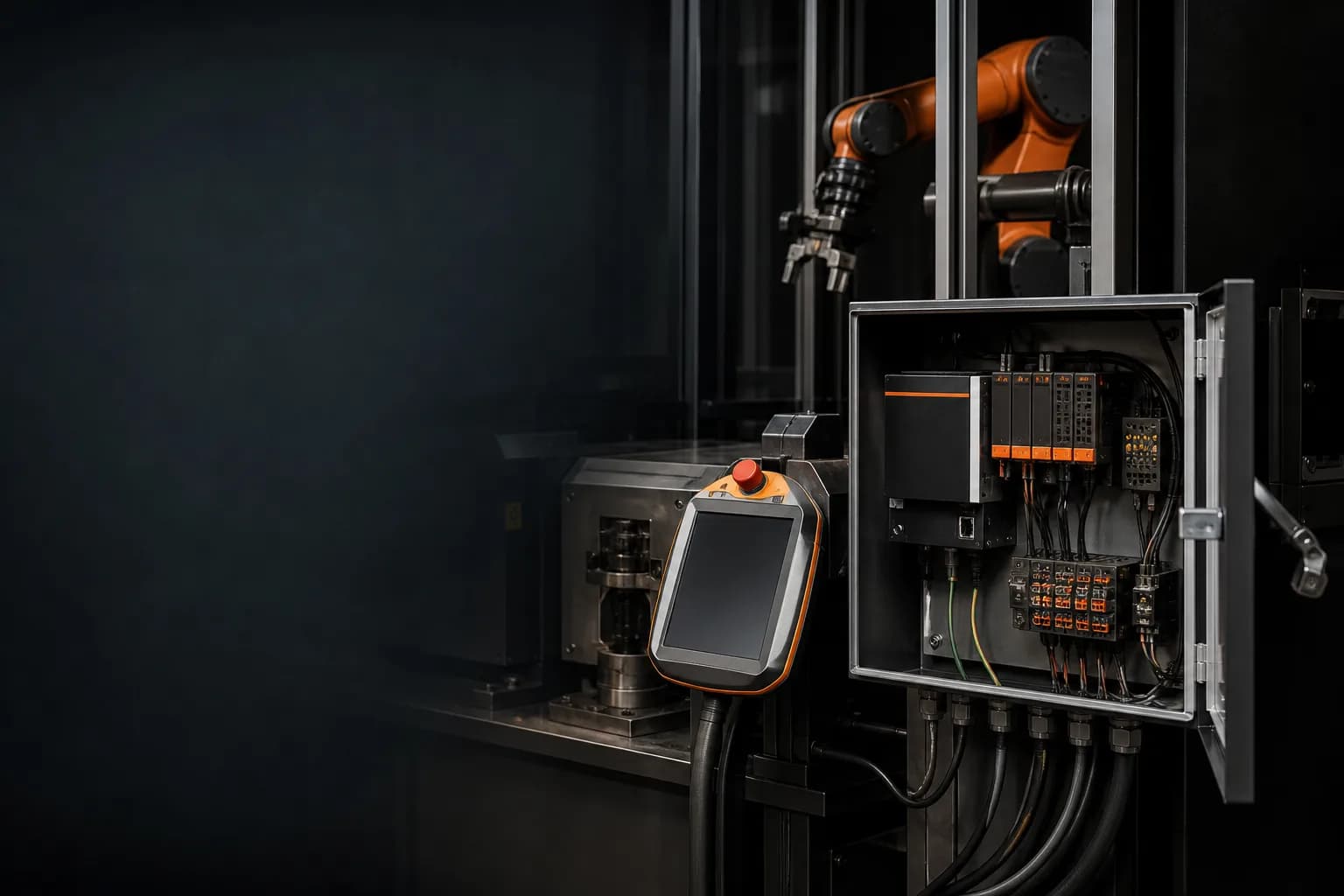
Evaluate YRC1000micro for compact robot installations where compatibility, cabinet environment and interface limits must be confirmed together.
A smaller cabinet is not automatically the better choice when external axes, washdown exposure, fieldbus or safety options expand the requirement.
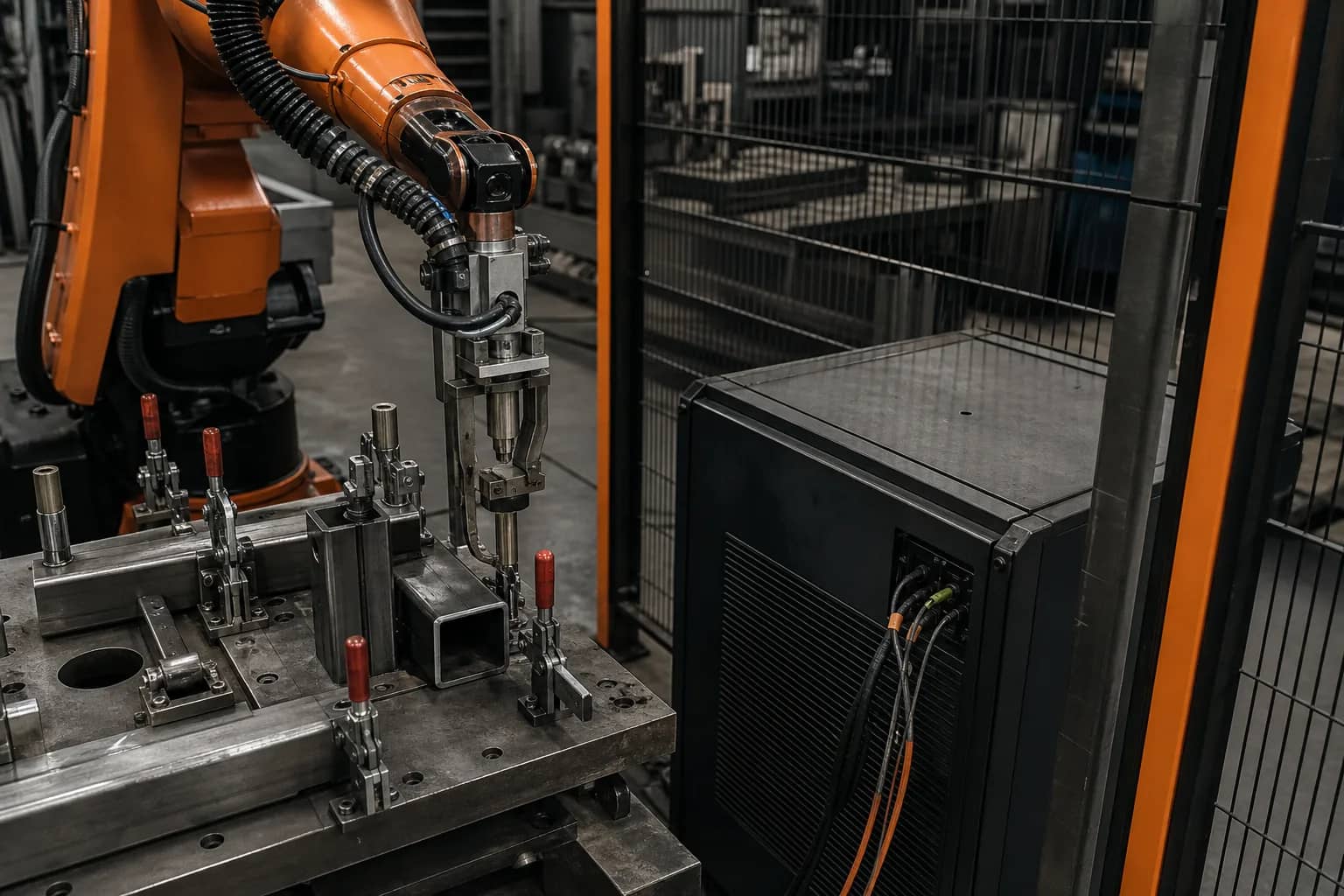
Payload, reach and tool access are checked against the actual workpiece and production target.
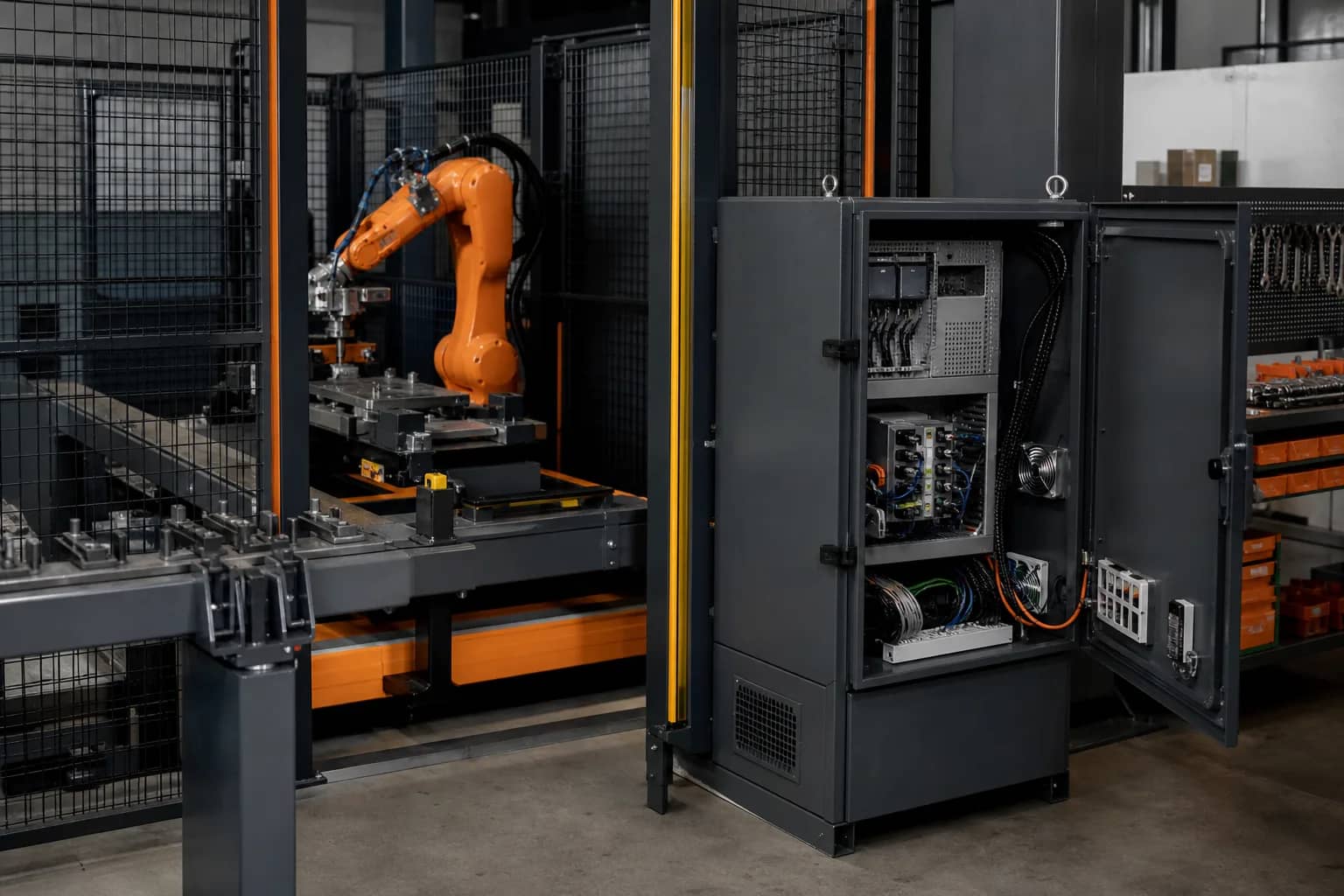
Tooling, workholding, controls, safety and access determine whether the platform becomes productive equipment.
A representative compact controller option reviewed with the selected robot, interfaces and installation constraints. The page is a representative configuration, not a fixed SKU promise. Selection is released only after the application inputs and current manufacturer documentation are reviewed.
Start with the part, process and required result.
Check mass, moments, access, cycle and interfaces.
Confirm current documents, scope and validation gates.
Catalog-based technical path: compare the robot, controller and positioner as one cell decision in the Yaskawa welding cell selection guide →
Select the robot and EOAT from machine interface, door/fixture sequence, payload, reach, cycle and part presentation.
Review application ↗Coordinate tools, compliance, force/torque sensing, vision, fixtures and verification around the assembly process.
Review application ↗Include the workpiece, gripper, adapters, cables and process tooling—not payload alone.
Prove tool angle, fixture clearance, singularity margin and service access in the actual layout.
Connect motion time, process dwell, sensing and recovery logic to a credible output target.
Define fieldbus, machine handshakes, utilities, guarding and ownership before release.
Send the workpiece, total moving mass including tooling, center of gravity, reach and tool-access requirement, process, target cycle, environment, layout, interfaces, destination and preferred commercial route.
No. It is a representative configuration route. Current availability, compatibility, specification, price and lead time are confirmed against the application and current project documents.
Workpiece geometry, total moving mass, center of gravity, reach and access, process, cycle, environment, interfaces, safety and destination determine the released configuration.
Yes. The reviewed scope may include controller, EOAT, process equipment, workholding, sensing, guarding and adjacent equipment when the required interfaces and responsibilities are defined.
Send drawings or clear photos, material and dimensions, workpiece and tooling mass, process target, cycle or output, layout, utilities, destination and any preferred control or brand standard.
Send the robot model, site environment and control interfaces for a compact-controller review.