Robotic Welding Commissioning: From Installation to Production
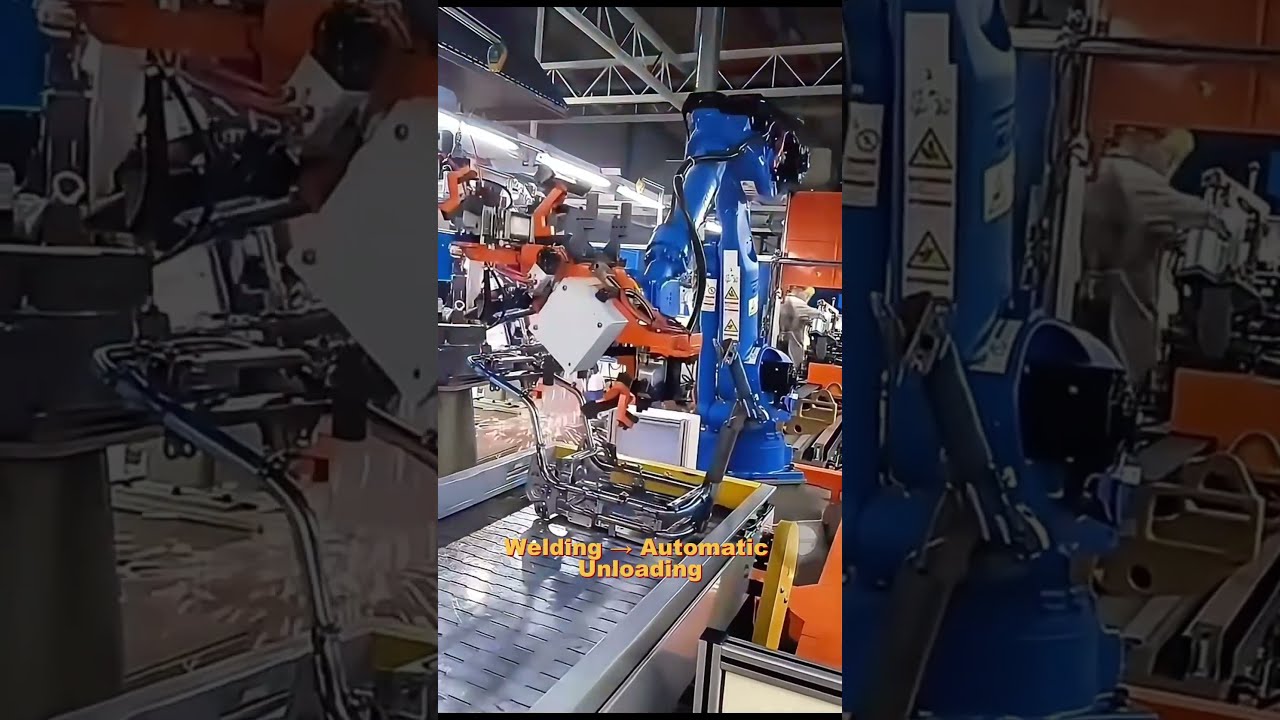
A delivered robot is not yet a production-ready welding system. This TubeFrame Automation short presents the progression from robot installation to system commissioning and production operation. For factory and project teams, that distinction matters: mechanical placement, power and utilities, robot programs, process settings, safety functions, part presentation and operator handover all meet at the site. Use the video to frame a practical conversation about who supplies each interface and how the line will be accepted. The information below describes a planning route for comparable projects; it does not assign a customer name, robot model or measured performance to the footage.
Source: TubeFrame Automation YouTube channel ·
At a glance
- The video presents installation, commissioning and production as connected stages of a robotic welding project.
- A workable delivery scope covers the robot, process equipment, fixtures, safety, utilities and production handover.
- Agree factory and site acceptance criteria before shipment or installation, not after startup begins.
- Use the linked FAT guide and application page to prepare a commissioning brief and supplier discussion.
What is involved in robotic welding system commissioning?
Robotic welding system commissioning connects installed equipment to the real production process. It includes checking utilities and interfaces, loading and testing programs, proving the fixture and weld sequence, validating safety and recovery behavior, and confirming acceptance criteria with the plant. The goal is a documented handover that operators can use, not merely a robot that powers on.
Installation and startup are different milestones
Installation places and connects the system: robot, welding equipment, fixtures, extraction, guarding, controls and plant utilities. Commissioning then proves how those elements behave together with representative parts and the planned operating sequence. Separating these milestones prevents a hardware delivery from being mistaken for an accepted process.
Before mobilization, align the facility layout, power, air, network, grounding, extraction and material flow. Confirm who brings sample parts, who can change welding parameters and who signs off safety and weld quality.
Make the production handover usable
Acceptance should cover normal operation and recovery: loading variation, failed picks, interrupted welds, alarms, restart conditions and changeover. The team receiving the line needs an agreed program backup, maintenance plan, training scope and open-issue list.
A FAT checklist gives the buyer a practical way to define tests before shipment. Site acceptance then checks the installed system against the real utilities, layout and approved part family.
Site information to specify before commissioning
The exact system in the video is not assigned a published technical data sheet; these are the inputs that make a new commissioning plan actionable.
- Plant layout
- Cell footprint, access, material flow, extraction and maintenance clearance.
- Utilities
- Electrical supply, air, welding gas, network and grounding responsibility.
- Representative parts
- Approved drawings, material, fit-up range and acceptance samples.
- Welding criteria
- Process, weld map, inspection method and quality threshold.
- Safety interface
- Guarding, E-stops, interlocks, risk assessment and local compliance scope.
- Handover package
- Programs, backups, manuals, training, spares and service contact.
Factory acceptance versus site acceptance
Use both gates for their different purposes; one should not silently replace the other.
| For your project | FAT, before shipment | SAT, after installation |
|---|---|---|
| Environment | Supplier test setup and agreed samples | Actual plant utilities, layout and upstream/downstream equipment |
| Main question | Does the built system meet the agreed functional tests? | Does the installed system meet site and operating requirements? |
| Evidence | Witness records, defects and retest closure | Installed-interface, safety, process and handover records |
| Release | Shipment or conditional shipment decision | Production acceptance and open-item ownership |
A clear route from delivery to production
Set the acceptance points before the equipment arrives so the site team can prepare in parallel.
- 01Confirm site readiness
- 02Install and connect
- 03Commission with real parts
- 04Complete site acceptance
- 05Train and hand over
Questions buyers ask
Is installation the same as commissioning?
No. Installation places and connects equipment. Commissioning proves that the robot, welding process, tooling, safety and plant interfaces operate together against agreed tests.
What should be tested before shipment?
A factory acceptance plan can include representative parts, weld sequence, cycle criteria, safety functions, alarms, recovery and documentation. The exact tests should be written into the project scope.
What changes at site acceptance?
The installed cell must work with the plant’s actual utilities, layout, material flow and operators. Site acceptance also closes local safety and interface responsibilities.
Who should own training and support?
The contract should name who provides operator and maintenance training, program backups, spare-parts information and post-startup support. Responsibilities may vary between TubeFrame Automation and delivery partners.
What information helps scope commissioning support?
Share the cell layout, equipment list, utilities, intended part family, production target, destination and the tests that will define acceptance. Identify any existing equipment that must interface with the new system.
Plan the handover before the system arrives.
Send your layout, process, equipment list and acceptance expectations. We can map installation and commissioning responsibilities into a clear project discussion.
More videos
Technical references
Schema.org: VideoObjectGoogle Search Central: Video structured data